

Guide to Buying a New Construction Home in the Denver Metro Area

Published August 14, 2026
Guide to Buying a New Construction Home in the Denver Metro Area
Buying a brand-new home sounds pretty straightforward.
Choose the neighborhood. Pick a floor plan. Select some finishes. Sign the paperwork. Wait for the keys.
Easy, right?
Not exactly.
Buying new construction can actually involve more decisions than purchasing an existing home, and some of those decisions can affect your finances and resale value for years.
Between builder contracts, lot premiums, mortgage incentives, design-center upgrades, Metro District taxes, construction inspections, warranties, and future neighborhood development, buyers have a lot to evaluate.
If you're considering a new construction home in Denver, Parker, Castle Rock, Aurora, Littleton, or elsewhere in the Denver metro area, this guide will walk you through the biggest decisions to consider before signing a builder contract.
Step 1: Talk to Your REALTOR® Before Visiting the Builder
This is one of the most important tips I can give a new construction buyer.
Talk with your REALTOR® before you walk into the builder's sales office.
Builders have different policies regarding buyer representation. In some communities, your REALTOR® may need to accompany you on your first visit or be registered with you from the beginning.
The builder's sales team is there to sell the builder's homes.
That doesn't make them the enemy. In fact, good builder representatives can be incredibly helpful throughout the process.
But you should not automatically assume the person selling the home is representing your interests.
Having your own REALTOR® gives you someone focused on helping you evaluate:
-
The builder
-
The community
-
The lot
-
The floor plan
-
Pricing
-
Incentives
-
Upgrades
-
Contract terms
-
Inspections
-
Resale potential
Ideally, your REALTOR® is involved before you ever choose a neighborhood.
Step 2: Compare Builders Before Falling in Love With a Model Home
Model homes are dangerous.
I say that somewhat jokingly, but builders are very good at creating emotional experiences.
You walk inside and everything is perfect.
The furniture is beautiful.
The lighting is perfect.
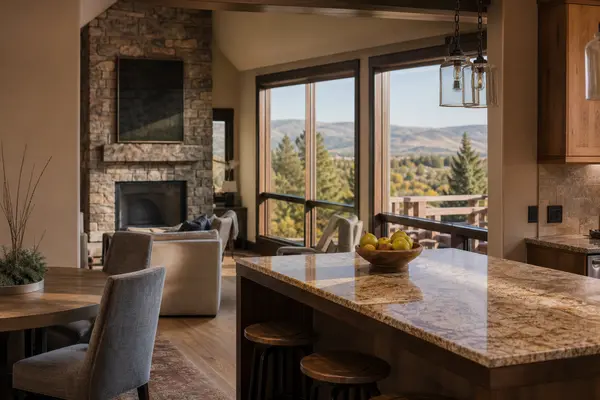
The kitchen has upgraded countertops, oversized cabinets, designer fixtures, upgraded flooring, and a backsplash that apparently has never encountered spaghetti sauce.
Then you discover the model contains $150,000 worth of upgrades.
Before falling in love with the presentation, understand exactly what comes standard.
Compare builders based on:
-
Base pricing
-
Standard finishes
-
Upgrade costs
-
Included appliances
-
Warranty programs
-
Builder reputation
-
Construction quality
-
Customer-service history
-
Available incentives
The least expensive base price does not necessarily represent the lowest final cost.
Step 3: Understand the True Price of the Home
Builders frequently advertise a base price.
That number can be very different from what you ultimately spend.
Your final purchase price may include:
-
Lot premium
-
Structural upgrades
-
Finished basement
-
Additional bedrooms
-
Upgraded flooring
-
Cabinet selections
-
Countertops
-
Lighting packages
-
Appliances
-
Landscaping
-
Window coverings
-
Outdoor living upgrades
A $600,000 base-price home can become a $700,000 home surprisingly quickly.
Before selecting upgrades, establish a realistic total budget.
I also recommend separating upgrades into three categories:
Structural upgrades: Things that would be difficult or expensive to change later, such as additional rooms, expanded garages, ceiling heights, windows, or basement configurations.
Resale-driven upgrades: Improvements that future buyers are likely to appreciate, such as attractive flooring, functional kitchens, additional bathrooms, and practical storage.
Personal upgrades: Features you simply love but may not recover financially when selling.
There's nothing wrong with choosing personal upgrades. Just understand which bucket they belong in.
Step 4: Choose the Lot as Carefully as the House
Buyers understandably spend enormous amounts of time choosing floor plans.
I would argue the lot may be equally important.
You can remodel a kitchen.
You can replace flooring.
You can finish a basement.
You cannot easily move your house 200 feet because you later realize the backyard faces a six-lane road.
Consider:
-
Backyard orientation
-
Mountain views
-
Open-space access
-
Road noise
-
Nearby schools
-
Future commercial development
-
Drainage
-
Lot slope
-
Adjacent homes
-
Utility infrastructure
-
Sun exposure
-
Future phases of construction
A premium lot may cost more today but could also provide stronger long-term appeal.
Conversely, not every builder "lot premium" automatically creates equivalent resale value.
Evaluate the lot from the perspective of the person who may eventually buy the home from you.
Step 5: Research Future Development
One of the most important questions when buying new construction is:
"What is going to be built around me?"
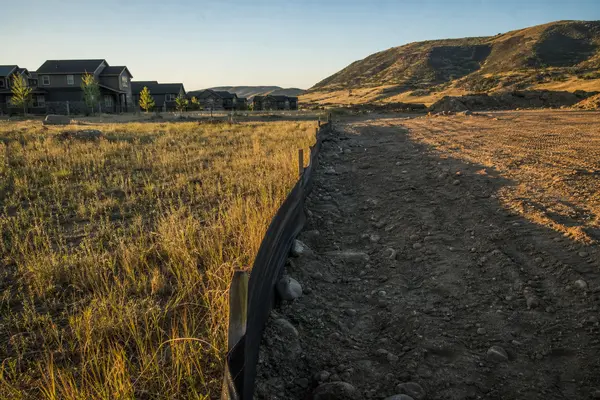
That beautiful vacant field behind your home might eventually become:
-
More houses
-
Apartments
-
A school
-
Retail
-
A road
-
Commercial development
Future development can be positive. New restaurants, schools, parks, and services can make a community more attractive.
But buyers should understand what is currently planned rather than assuming today's surroundings will remain unchanged.
Review available development plans and ask questions about future phases within the community.
Step 6: Understand Metro Districts
Many newer Denver metro communities are located within Metropolitan Districts.
Metro Districts can help finance infrastructure and amenities such as roads, water systems, parks, landscaping, and other community improvements.
They can also affect your property-tax bill.
That means two similarly priced homes located only a few miles apart may have noticeably different monthly ownership costs.
Before purchasing, understand:
-
Whether the home is within a Metro District
-
Current mill levies
-
Outstanding district debt
-
What infrastructure the district funds
-
How those taxes affect your estimated monthly payment
Colorado law requires certain Metropolitan District information to be made available to purchasers, and residential sellers within Metro Districts must provide buyers with the district's official website information.
Do not evaluate affordability using the purchase price alone.
Calculate the complete monthly payment.
Step 7: Review HOA Costs and Rules
New communities frequently have homeowners associations.
Before buying, understand:
-
Monthly or quarterly dues
-
What the HOA maintains
-
Community amenities
-
Landscaping responsibilities
-
Architectural restrictions
-
Parking rules
-
Rental restrictions
-
Pet rules
HOA dues themselves are not necessarily bad.
An HOA providing community pools, recreation facilities, trails, landscaping, and other amenities may offer substantial value.
The important part is understanding exactly what you're agreeing to before purchasing.
Step 8: Evaluate Builder Mortgage Incentives Carefully
Builders frequently offer some of the most attractive financing incentives in the market.
You may see offers involving:
-
Mortgage-rate buydowns
-
Closing-cost credits
-
Discount points
-
Reduced interest rates
-
Design-center credits
These incentives can be extremely valuable.
But compare the entire financing package rather than looking only at the advertised interest rate.
Ask:
-
What is the APR?
-
Are discount points being charged?
-
Are there lender fees?
-
What happens if I use an outside lender?
-
Does the incentive require the builder's preferred lender and title company?
-
Is the incentive better than negotiating the home price?
Sometimes the builder's preferred lender is clearly the best option.
Sometimes it isn't.
Compare before deciding.
Step 9: Read the Builder Contract Carefully
New construction contracts may look very different from the standard Colorado resale contract buyers are accustomed to seeing.
Many builders use proprietary purchase agreements drafted specifically for their transactions.
These contracts may address:
-
Construction delays
-
Deposit requirements
-
Financing deadlines
-
Design selections
-
Change orders
-
Builder remedies
-
Buyer cancellation rights
-
Completion dates
-
Warranty provisions
-
Inspections
Read the contract.
Yes, all of it.
Not exactly a beach novel, but considerably cheaper than discovering an important provision after you've deposited tens of thousands of dollars.
Your REALTOR® can help explain the real estate portions within their expertise, and legal questions should be directed to a qualified Colorado attorney.
Step 10: Get Independent Inspections
This is one of the biggest mistakes new construction buyers make.
They think:
"It's brand new. Why would I need an inspection?"
Because houses are built by humans.
Even excellent builders can have items that need correction.
Depending on the construction schedule and builder policies, buyers may consider inspections at different stages.
Pre-Drywall Inspection
This happens before insulation and drywall cover many structural, electrical, plumbing, and mechanical components.
An inspector may be able to evaluate areas that become difficult to see later.
Final Inspection
Before closing, a professional inspector can review the completed home and identify items that may require correction.
Warranty Inspection
Many buyers schedule another inspection before the builder's applicable warranty period expires so potential concerns can be documented and submitted.
Colorado made changes to construction-defect law in 2025 that may affect certain newly constructed attached housing and participating builders, including provisions involving warranties and independent inspections. Buyers purchasing condos or townhomes should understand whether the development participates in those programs and what protections apply.
Step 11: Do Not Skip the Final Walkthrough
Before closing, you will typically have an opportunity to inspect the completed property and identify unfinished or damaged items.
Take this walkthrough seriously.
Look closely at:
-
Paint
-
Flooring
-
Doors
-
Cabinets
-
Countertops
-
Appliances
-
Windows
-
Plumbing fixtures
-
Electrical fixtures
-
Exterior finishes
-
Landscaping
Document outstanding items clearly.
This isn't about finding microscopic imperfections.
It's about verifying that the home you agreed to purchase has been completed according to the contract and agreed specifications.
Step 12: Think About Resale Before You Buy
Nobody wants to think about selling the home they haven't even purchased yet.
You should anyway.
Life changes.
Jobs change.
Families change.
Sometimes the "forever home" lasts five years.
Before purchasing, consider what future buyers may think about:
-
Lot location
-
Floor plan
-
Number of bedrooms
-
Garage size
-
Schools
-
Taxes
-
HOA costs
-
Community amenities
-
Upgrade selections
One mistake new construction buyers sometimes make is over-customizing.
The lime-green cabinets may speak directly to your soul.
The next buyer's soul may disagree.
You don't need to make every decision based on resale, but keeping future marketability in mind can protect your investment.
Why My Construction Background Helps New Construction Buyers
New construction is an area I particularly enjoy because my background goes beyond real estate.
Before becoming a REALTOR®, I earned my degree in Construction Management from Colorado State University.
I've also been helping Denver-area buyers and sellers since 2008.
That combination allows me to help clients evaluate new homes from two perspectives:
How well does this home work for your lifestyle?
and
How does this property look from a construction and long-term resale perspective?
When we're touring new construction, I'm not only looking at countertops and flooring.
I'm thinking about the lot, drainage, building components, floor plan, future development, upgrade value, and how another buyer may evaluate that property years from now.
New Construction Communities Throughout the Denver Metro Area
Buyers can find significant new construction throughout communities including:
-
Parker
-
Castle Rock
-
Aurora
-
Castle Pines
-
Lone Tree
-
Littleton-area developments
-
Commerce City
-
Brighton
-
Thornton
-
Erie
The right community depends on your budget, commute, lifestyle, tax tolerance, school preferences, and long-term goals.
A builder offering the biggest incentive isn't automatically offering the best investment.
The community matters just as much as the house.
Helpful Resources for New Construction Buyers
Before beginning your search, I recommend reviewing Colorado's home-buying and HOA resources through the Colorado Division of Real Estate. The Division provides information about the transaction process, broker relationships, HOAs, and Colorado real estate contracts.
Buyers should also review Metropolitan District information for any specific community they are considering.
If you are relocating to Colorado, my Denver Relocation Guide can help you compare communities throughout the metro area.
First-time buyers should also explore available Colorado down payment assistance programs, as some financing options may work with qualifying newly constructed homes.
Final Thoughts
Buying a new construction home can be a fantastic opportunity.
You may receive:
-
Modern floor plans
-
Energy-efficient systems
-
New appliances
-
Builder warranties
-
Community amenities
-
Fewer immediate maintenance projects
-
The ability to personalize the property
But "brand new" does not mean "no due diligence required."
The smartest new construction buyers carefully evaluate:
-
Builder reputation
-
Contract terms
-
Lot selection
-
Upgrade costs
-
Financing incentives
-
Metro District taxes
-
HOA obligations
-
Inspections
-
Future development
-
Resale potential
And most importantly, they have someone representing their interests throughout the process.
Thinking About Buying New Construction in Denver?
If you're considering a new construction home anywhere in the Denver metro area, talk with me before visiting the builder's sales office.
I can help you compare communities, builders, lots, incentives, upgrade options, inspections, and long-term resale considerations so you can make a more informed decision.
Call or text me at 303-888-6101.
I've helped Denver-area buyers and sellers since 2008, and with my Construction Management background, new construction is an area where I can provide an additional layer of guidance beyond simply finding the home.
Whether you're looking in Parker, Castle Rock, Aurora, Littleton, Castle Pines, or elsewhere in the Denver metro area, I'd be happy to help you build a strategy before you build the house.
This article is intended for general educational purposes and is not legal, lending, construction, tax, or engineering advice. Builder contracts, incentives, warranties, inspection rights, financing requirements, HOA rules, and Metropolitan District obligations vary by property and development.
Categories
- All Blogs (165)
- Affordability (8)
- Appreciation (9)
- Arapahoe County (2)
- Aurora (15)
- Buying (95)
- Castle Pines (3)
- Castle Rock (23)
- Centennial (12)
- closing costs (5)
- Condo (11)
- Denver (33)
- Denver County (2)
- Divorce (2)
- Douglas County (20)
- Downsizing (10)
- Elbert County (2)
- Elizabeth (6)
- Fixer Upper (3)
- Highlands Ranch (22)
- Home Value (10)
- Insurance (3)
- Interest Rates (3)
- Investment (17)
- Lakewood (9)
- Littleton (22)
- Lone Tree (2)
- luxury (2)
- Market Update (3)
- Move-Up (9)
- New Construction (12)
- Parker (41)
- Realtor (12)
- Relocation (9)
- Rental Property (1)
- schools (1)
- Selling (110)
- Single Family Home (11)
- South Metro Denver (74)
- SRES (11)
- taxes (3)
- The Highlands (1)
Recent Posts






"My job is to find and attract mastery-based agents to the office, protect the culture, and make sure everyone is happy! "